AI labs and universities
Start with a liquid-to-air CDU assessment if there is no facility water. Confirm the room can absorb the server heat and pump and fan losses.
GPU WORLD · THERMAL ENGINEERING
GPU WORLD helps specify direct-to-chip cold plates, manifolds, coolant distribution units and rack loops around your exact server, heat load and site.
INTERNATIONAL PROJECTS
Share your destination country, facility conditions and local integration arrangements. Request a USD quotation covering the hardware scope, shipping terms, installation responsibilities and warranty handling. Import duties and local taxes depend on the destination and agreed delivery terms.
Technical content updated .
Start with a liquid-to-air CDU assessment if there is no facility water. Confirm the room can absorb the server heat and pump and fan losses.
Coordinate liquid-to-liquid cooling with the colocation provider. Get water-side conditions, rack limits, power feeds and maintenance responsibilities in writing.
Assess rack-level heat loads, service access, CDU capacity with a pump or unit offline and the remaining load on room air.
Review the exact chassis, accelerator variant, baseboard revision, retention hardware, clearances and warranty before specifying a retrofit.
DIRECT-TO-CHIP COOLING
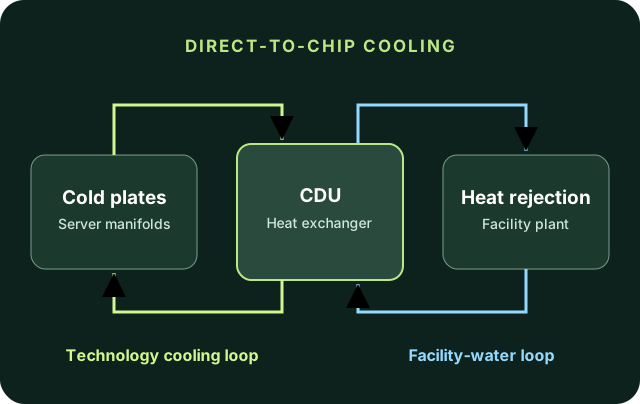
Cold plates carry heat from selected GPUs and CPUs into a circulating coolant loop. A coolant distribution unit (CDU) circulates coolant and transfers heat either to a separate facility-water loop or to room air. Components outside the liquid loop still need airflow.
Match the cold plate to the chip package, mounting stack, thermal interface, device load and the space inside the server.
Use server and rack manifolds to feed the branches. Confirm branch flow, allowable pressure drop, connector compatibility, wetted materials and leak monitoring.
Check the CDU at the actual inlet temperatures and flows. A liquid-to-liquid CDU transfers heat to facility water. A liquid-to-air CDU transfers heat to the room’s air-conditioning system.
GPU power helps size the cold-plate load. Use the full server or rack electrical load to account for CPUs, memory, drives, fans, power supplies and the load that remains on room air. The same GPU model can have different cooling requirements in different platforms.
| Platform | Published power | What it covers |
|---|---|---|
| NVIDIA H100 SXM | Up to 700 W | GPU TDP, configurable. Cooling follows the server design. |
| NVIDIA H100 NVL PCIe | 350–400 W | Configurable GPU TDP. Dual-slot air-cooled card. |
| NVIDIA H200 SXM | Up to 700 W | GPU TDP, configurable. Cooling follows the server design. |
| NVIDIA H200 NVL PCIe | Up to 600 W | Configurable GPU TDP. Dual-slot air-cooled card. |
| NVIDIA RTX PRO 6000 Blackwell Server Edition | Up to 600 W | Configurable GPU TDP. Separate dual-slot air and single-slot liquid variants. |
| NVIDIA DGX B200 | Up to 14.3 kW | Maximum electrical input for the complete DGX system. |
| NVIDIA DGX GB200 NVL72 | Approx. 120 kW | Electrical load for the full rack. Liquid-cooled compute with some components cooled by air. |
| AMD Instinct MI350X | 1,000 W | OAM accelerator power. AMD documents an air-cooled platform. |
| AMD Instinct MI355X | Up to 1,400 W | OAM accelerator power in the direct-liquid-cooled configuration. |
ENGINEERING WORKFLOW
The project quotation defines which stages GPU WORLD, your server vendor and your facilities team will handle. Review the cooling assembly and facility interface together before ordering.
Identify the chassis, board revision, accelerator and CPU, keep-out zones, plate retention and remaining airflow paths.
Agree the duty point, liquid and residual air loads, branch flow, pressure drop, CDU approach temperature and redundancy requirement.
Record plate and connector part numbers, hoses, manifold interfaces, approved coolant, filters and the temperature, pressure, flow and leak sensors in scope.
Assign the server work and facility connections. Document mounting and fill procedures, isolation points, service clearances and leak checks.
Define test load and duration. Record supply and return temperatures, flow, pressure drop, chip temperatures and any throttling or alarms under the agreed workload.
Record the coolant maintenance plan, filter service, alarm ownership, spare parts and the applicable hardware and workmanship warranty terms.
Capacity classes are useful for a first conversation. Select the CDU using its performance curve at your actual coolant and site conditions, with headroom for the agreed design and failure scenarios.
| Project | Starting point | What to verify |
|---|---|---|
| Four-GPU server | One chassis with room-side heat rejection, where viable. | Cold-plate fit, branch flow and spare room cooling capacity. |
| Eight-GPU server | Dedicated or shared CDU, depending on load and facility interface. | Exact tray, total IT load, liquid heat capture, pressure drop and flow balance. |
| Multi-server AI rack | Rack manifolds and liquid-to-liquid CDU assessment. | Diversity and peak demand, usable CDU capacity, service access and residual air load. |
| NVL-class rack | Use the rack vendor’s requirements and compare approved CDU configurations. | Facility supply temperature, approach, flow, electrical demand and available capacity with equipment offline. A nominal 130 kW rating alone cannot establish fit for a 120 kW rack. |
Ask the facility for design-day dry-bulb and wet-bulb conditions, available water temperature and flow, allowable pressure drop, fluid chemistry and dew-point controls. ASHRAE water classes describe the maximum facility supply temperature. Confirm the server-side coolant inlet separately, allowing for the CDU heat exchanger’s approach temperature.
ENERGY PLANNING
Power usage effectiveness (PUE) divides total facility energy by IT energy. This scenario holds the IT load constant, then compares the facility energy implied by two PUE values. Use a measured or independently modelled PUE for each case.
Example at continuous 10 kW IT load. A change from PUE 1.54 to 1.20 gives 29,784 kWh less facility energy per year. At US$0.10/kWh, the difference is US$2,978.40. This scenario excludes demand charges, capital costs and differences in utilisation or seasonal operating conditions.
Uptime Institute’s 2025 survey provides the 1.54 benchmark. The scenario PUE and tariff are example inputs.
It depends on the platform. NVIDIA specifies up to 700 W per H100 or H200 SXM GPU, but the complete server determines the supported cooling method. NVIDIA also offers dual-slot air-cooled NVL PCIe variants. Check the exact server and GPU documentation before selecting a cold plate.
Some servers can be retrofitted after a fit and warranty review. Confirm the board revision, mounting pattern, component clearance, cold-plate performance, connector access and airflow. For an in-service server, obtain the manufacturer’s written position on warranty before changing the cooling assembly.
Measure or model it for the specific server. As an example, if 70% of a measured 10 kW IT load enters the coolant, the loop carries 7 kW and 3 kW remains on the air side before cooling equipment losses. Validate the split under the expected workload.
A suitably sized liquid-to-air CDU can reject heat to room air without a facility-water connection. The room cooling system still has to remove the full resulting heat load. Confirm room conditions, airflow and CDU output at the proposed duty point.
Choose a fluid approved for the installed plates, hoses, seals and CDU. Verify chemistry and maintenance limits with the manufacturers. Specify dry-break connectors where appropriate, leak sensing, alarms and a test procedure that confirms isolation and operator response.
A rear-door heat exchanger removes heat from the rack’s exhaust air and can complement direct-to-chip cooling. Immersion uses a dielectric liquid bath around compatible electronics and needs different hardware, fluid and service procedures. This catalogue covers direct-to-chip projects.
Confirm them in the written project quotation after the server, site and supply scope are agreed. The quotation should identify who is responsible for facility connections, on-site work or remote support, acceptance testing and warranty claims.
PROJECT WORKSHEETS
Use these tools to collect the server and site data needed for the review. Bring any equipment drawings and manufacturer performance curves you already have.
Start with the interface your site needs to confirm. Each brief explains what to document before requesting a USD quotation.
Check whether a local integrator can mount the cold plate, connect it to the loop and retain server service access.
Check whether the site can supply the water conditions, electrical service and space the CDU requires.
Plan the tray, liquid and air heat loads, installation scope and acceptance test for an eight-GPU server.
Evaluate a plate, tray or rack integration against the exact accelerator and server configuration. SXM, PCIe, OAM and rack platforms have different mechanical requirements.
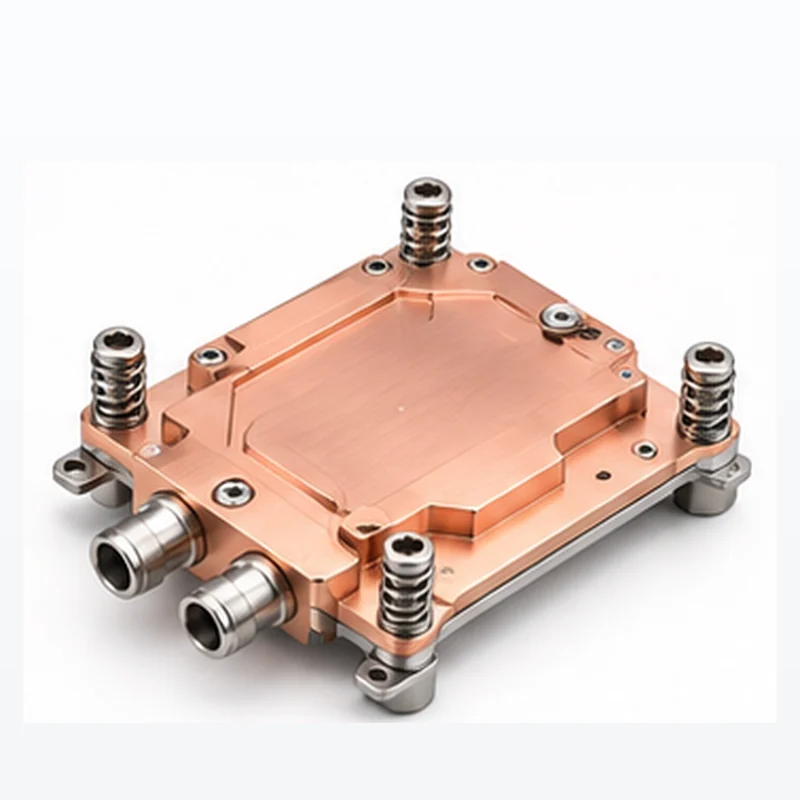
GW-LC-GPU-A100-SXM
SXM
For HGX A100 assemblies. Confirm the SXM module, baseboard revision, cold plate mounting and memory contact requirements.
View details Request a quote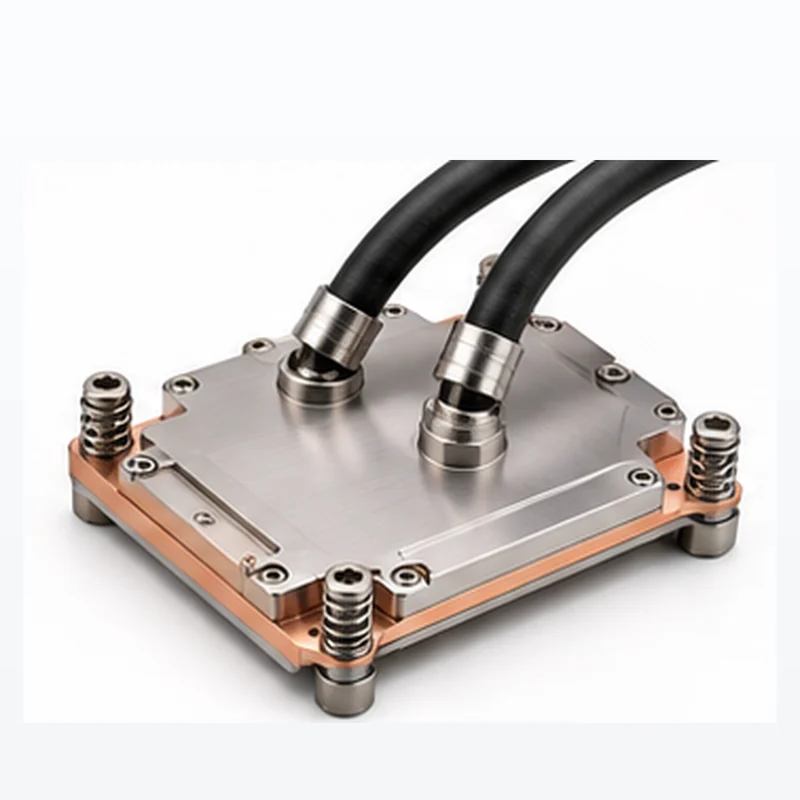
GW-LC-GPU-H100-SXM
SXM
For HGX H100 systems. Match the SXM module and baseboard to the chassis, hose routing and server manifold.
View details Request a quote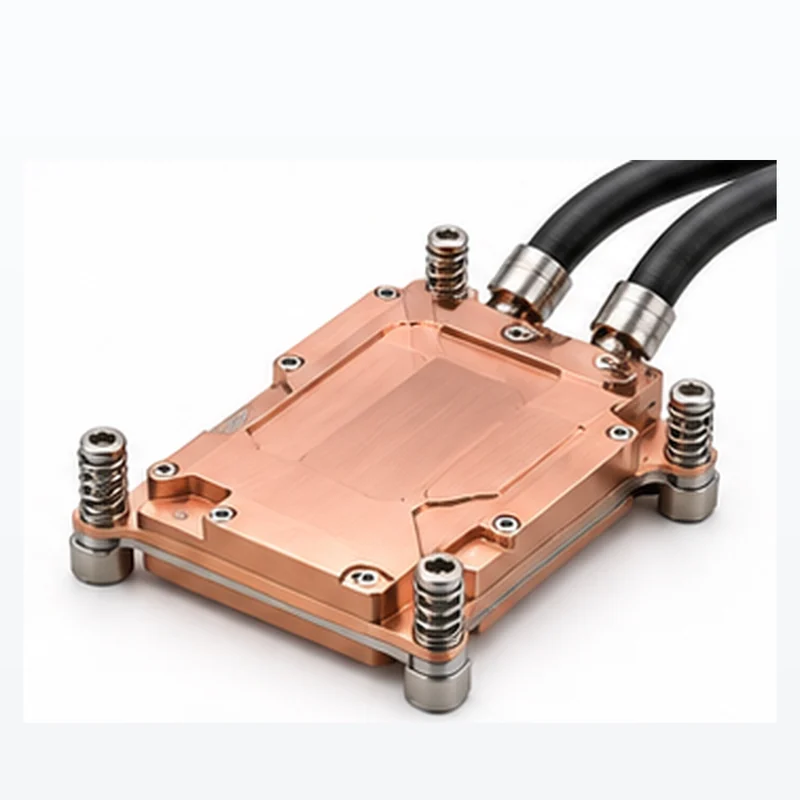
GW-LC-GPU-H200-SXM
SXM
For HGX H200 systems. Confirm the baseboard revision, GPU and memory contact surfaces, and supply and return connections.
View details Request a quote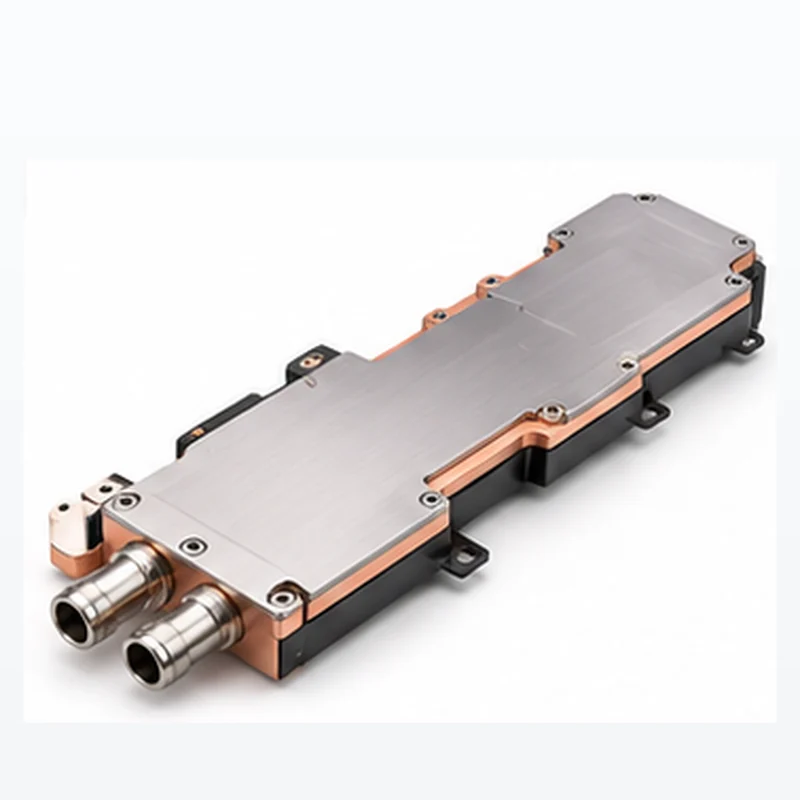
GW-LC-GPU-H200-NVL
PCIe retrofit
For H200 NVL PCIe cards. Check the board revision, slot clearance, NVLink bridge space and remaining chassis airflow.
View details Request a quote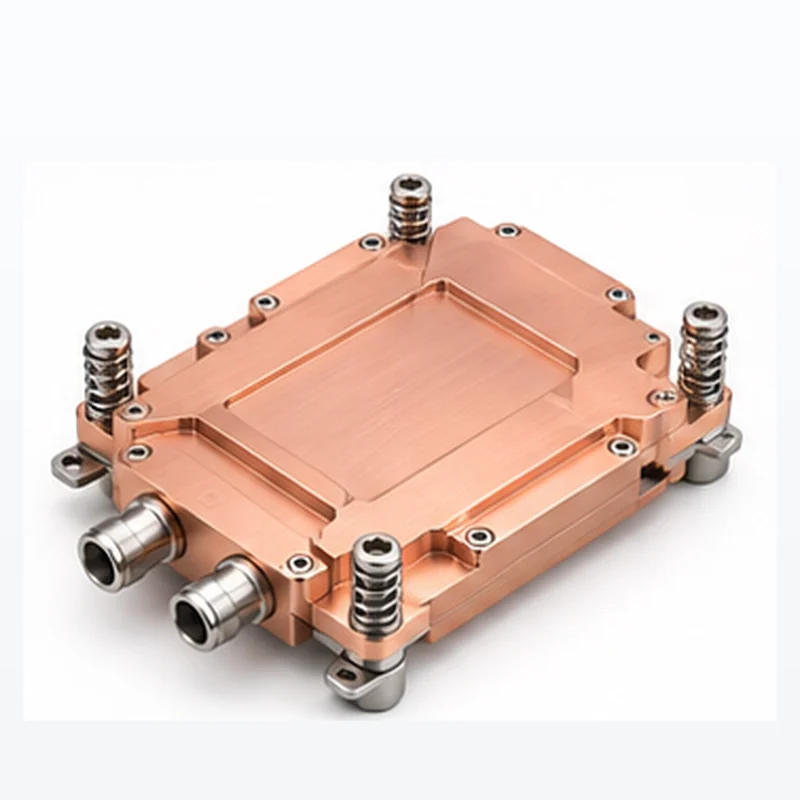
GW-LC-GPU-B100-SXM
Engineering review
Submit the HGX baseboard part number and chassis model so the mounting pattern, thermal requirements and sourcing can be assessed.
View details Request a quote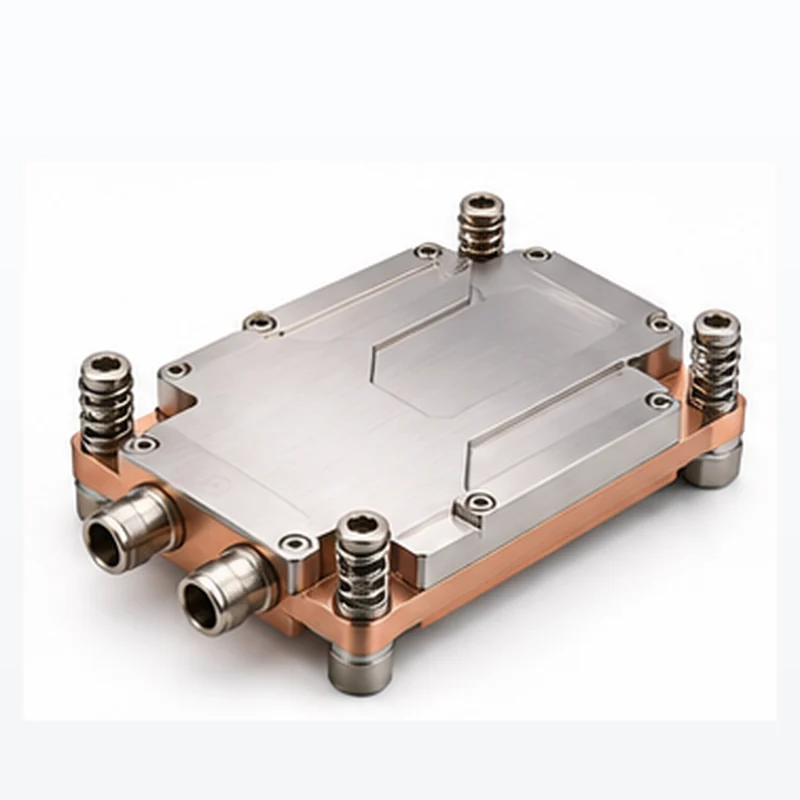
GW-LC-GPU-B200-SXM
SXM6
For HGX B200 systems. Confirm the SXM6 baseboard, OEM tray, cooling configuration and manifold connections.
View details Request a quote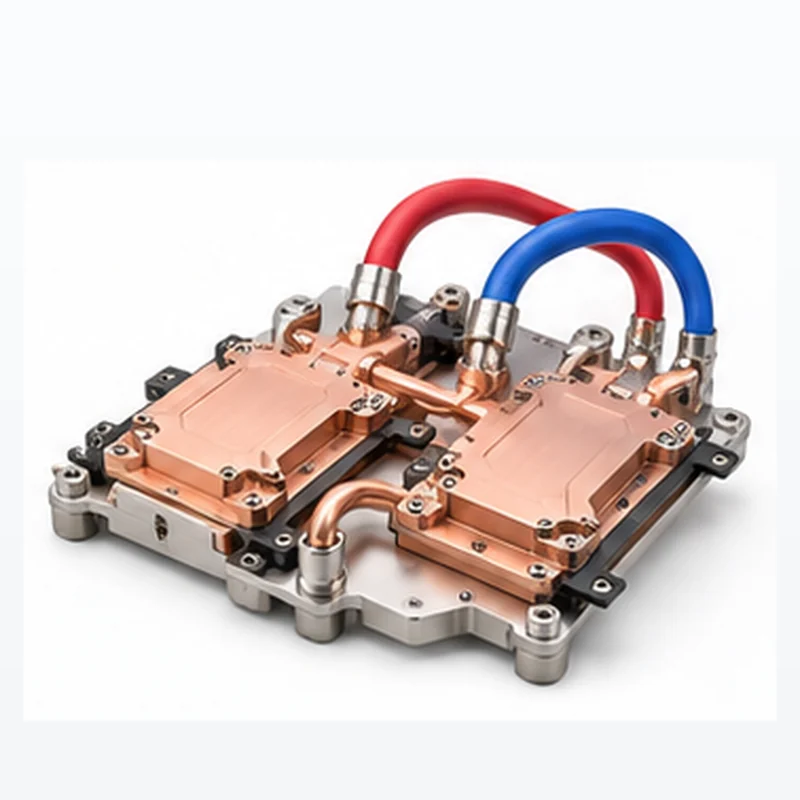
GW-LC-GPU-GB200
Project integration
For Grace Blackwell CPU and GPU assemblies. Match the tray revision, rack manifold interface and coolant requirements.
View details Request a quote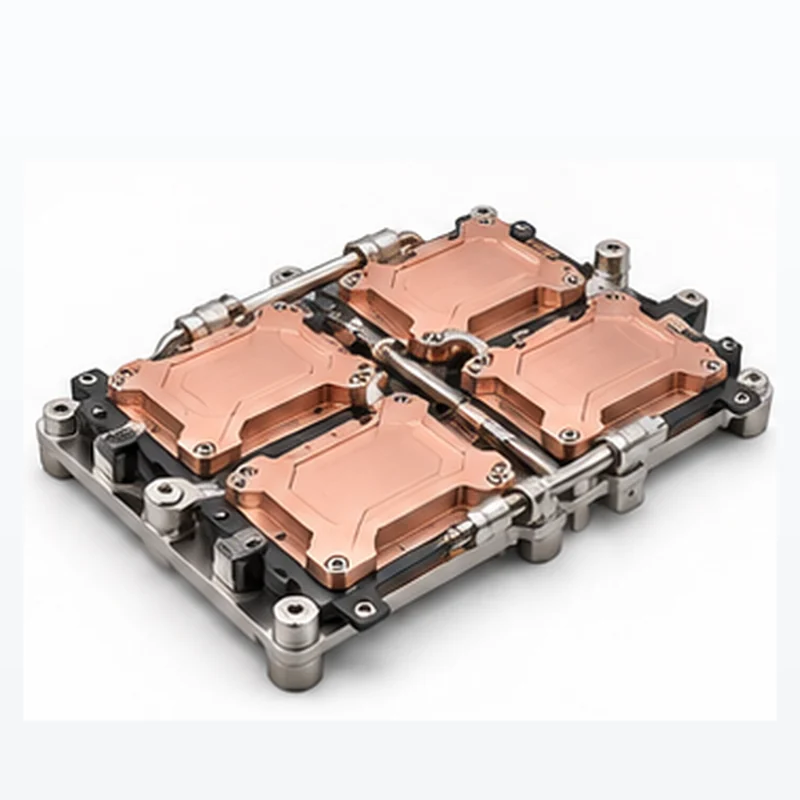
GW-LC-GPU-GB300
Project integration
For GB300 NVL72 compute trays. Review the OEM tray, rack manifold, facility loop and required coolant flow together.
View details Request a quote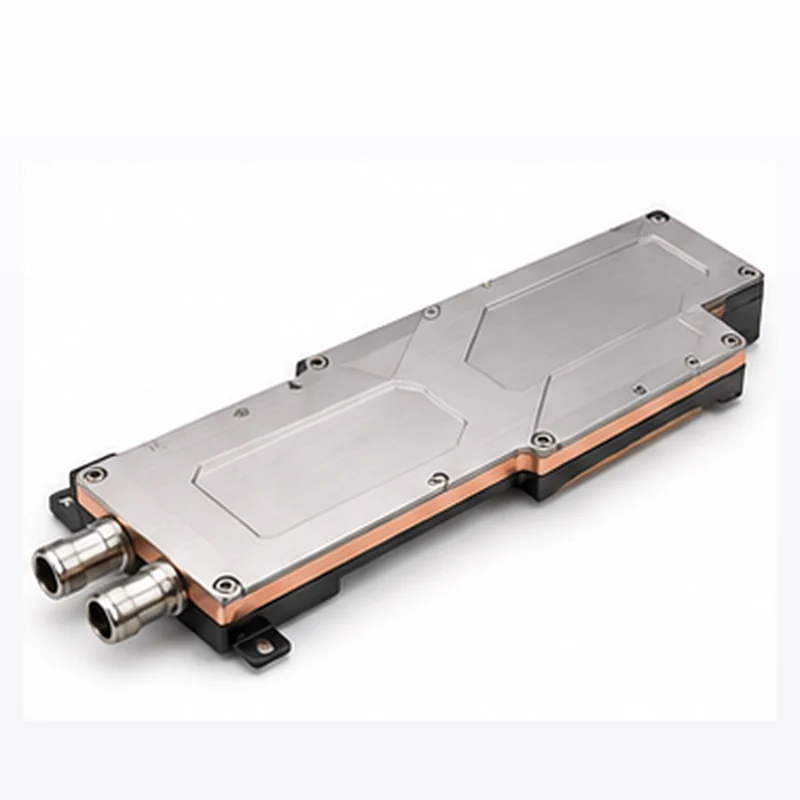
GW-LC-GPU-RP6000-BW-S
PCIe
Confirm the Server Edition card variant, chassis slot and length clearance, and coolant connections for the intended configuration.
View details Request a quote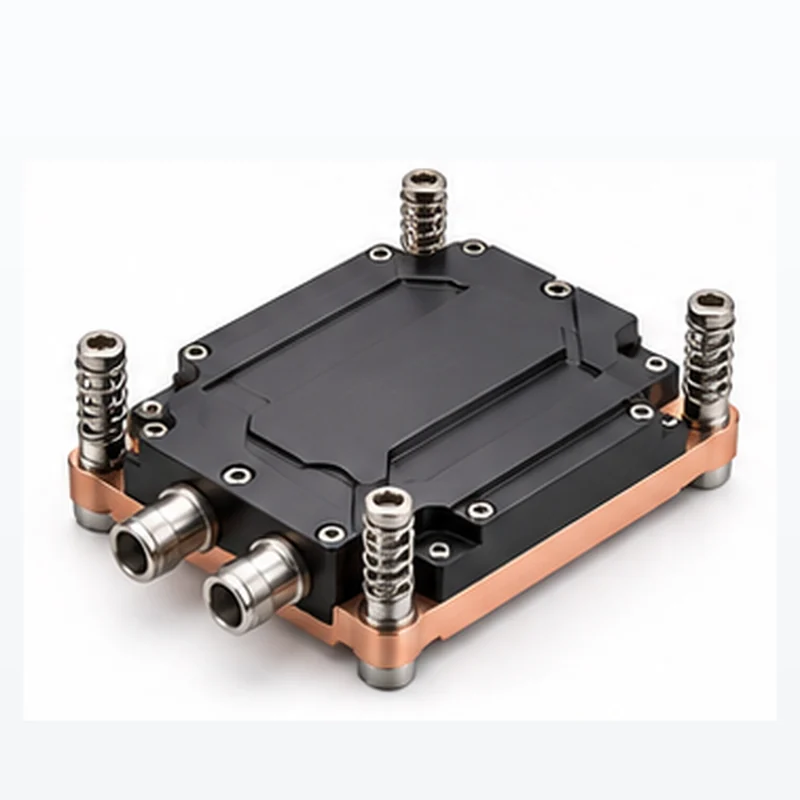
GW-LC-GPU-MI300X
OAM
For MI300X OAM assemblies. Check the baseboard revision, mounting pattern, contact surfaces and coolant routing within the tray.
View details Request a quote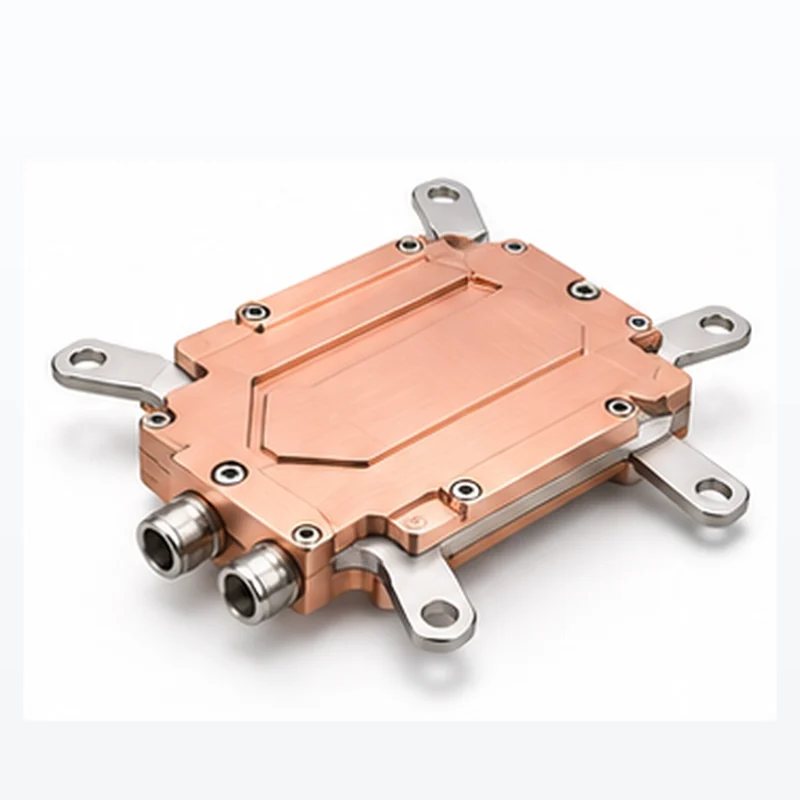
GW-LC-GPU-MI300A
SH5 APU
For the socketed SH5 APU. Confirm the server board, retention hardware, socket clearance and selected thermal configuration.
View details Request a quote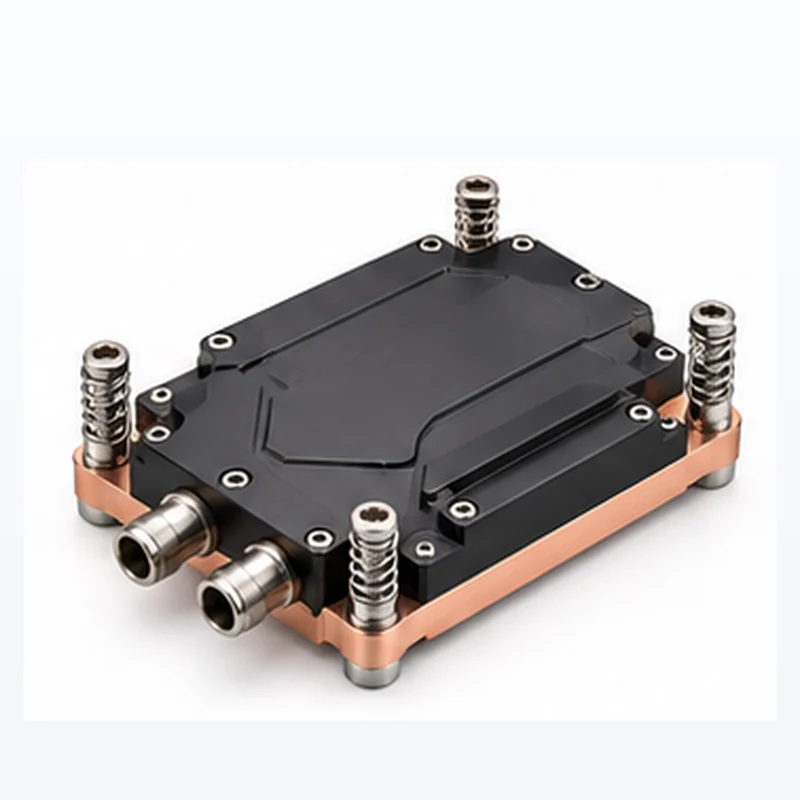
GW-LC-GPU-MI325X
OAM
For MI325X OAM assemblies. Check the universal baseboard, tray layout, hose routing and flow requirements for the selected server.
View details Request a quote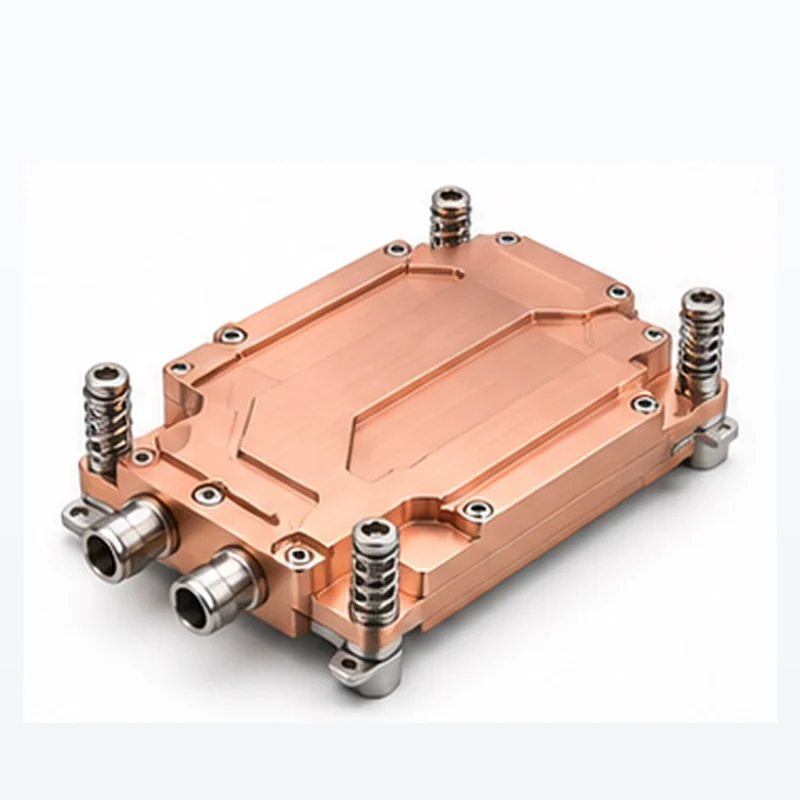
GW-LC-GPU-MI350X
Engineering review
For MI350X OAM projects. Confirm the OEM cooling configuration, baseboard revision and thermal requirements before selecting an assembly.
View details Request a quoteMatch the socket, retention hardware, processor package and chassis clearance. Review the CPU and accelerator loads together when they share a coolant loop.
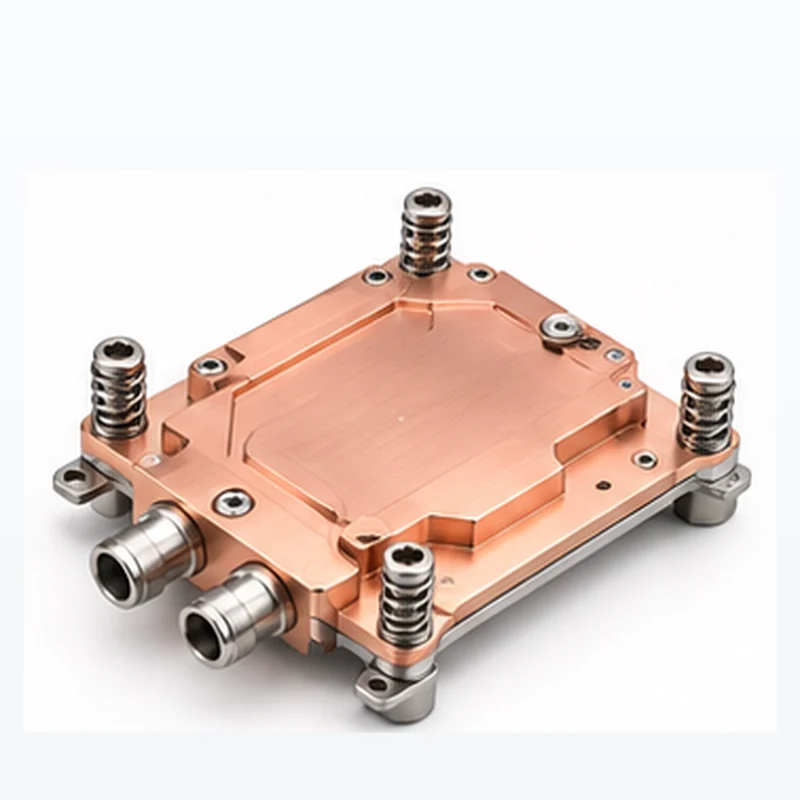
GW-LC-CPU-INT-4189
LGA4189
For third-generation Xeon Scalable systems. Confirm the LGA4189 socket variant, processor carrier, mounting hardware and chassis clearance.
View details Request a quote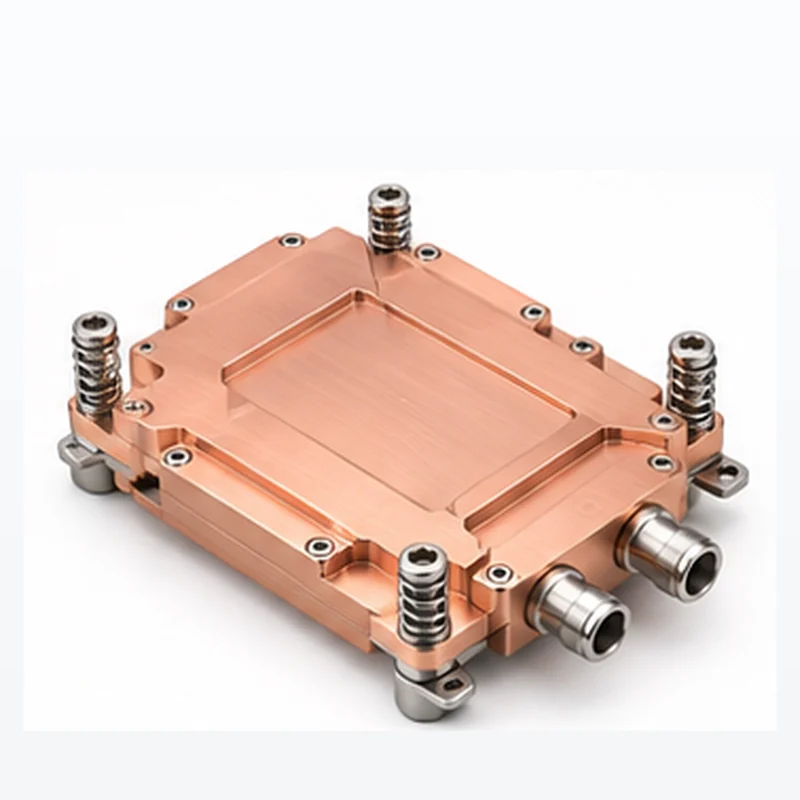
GW-LC-CPU-INT-4677
LGA4677
For fourth- and fifth-generation Xeon Scalable and selected Xeon W systems. Verify the carrier, retention hardware and processor power profile.
View details Request a quote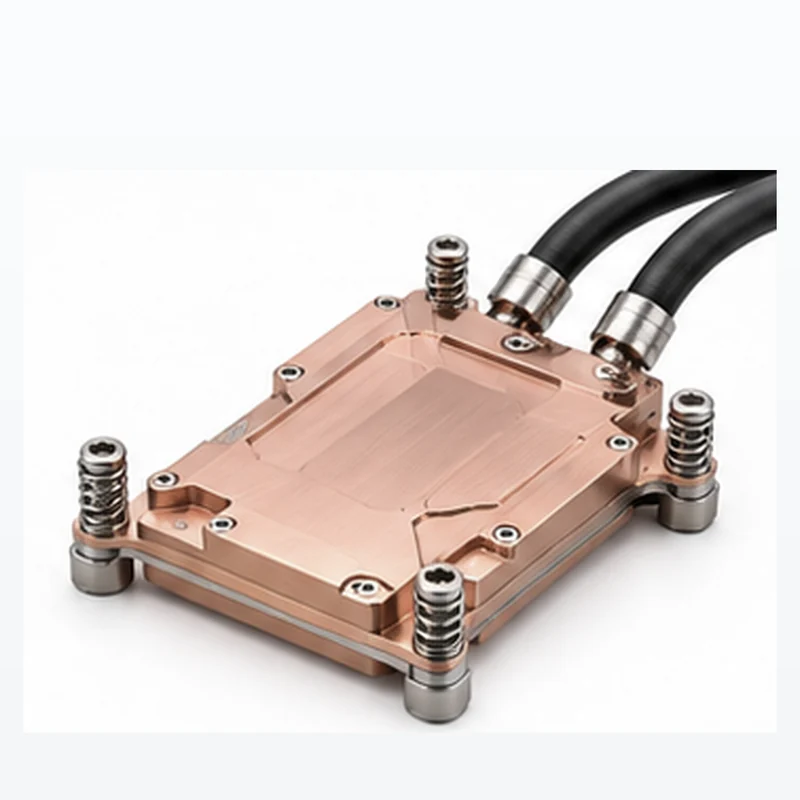
GW-LC-CPU-INT-4710
LGA4710-2
For Xeon 6 6500 and 6700 P-series and 6700 E-series platforms. Verify the processor, mounting hardware and server tray.
View details Request a quote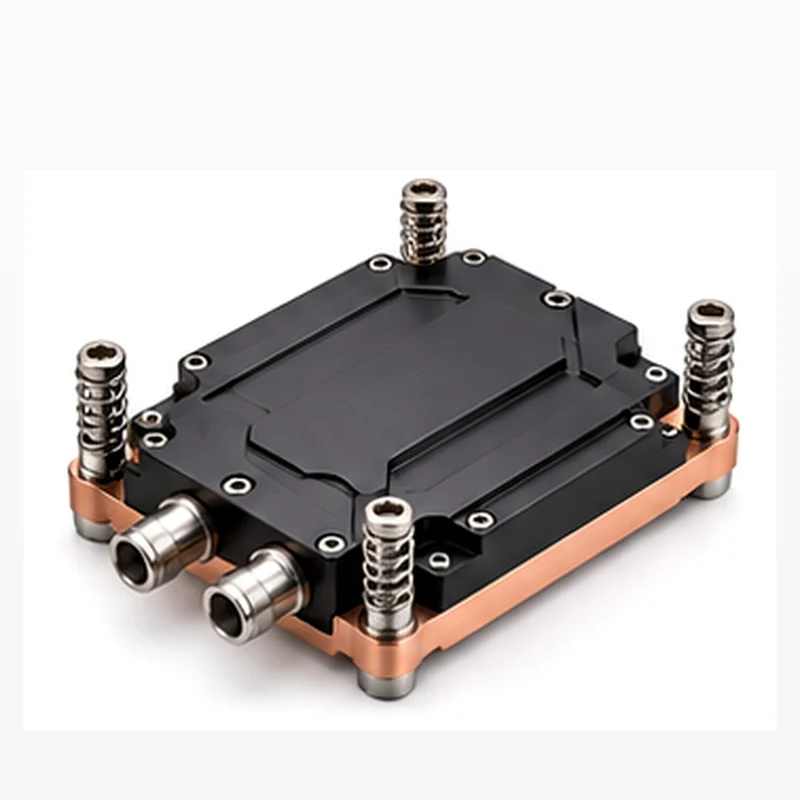
GW-LC-CPU-INT-7529
LGA7529-1
For Xeon 6 6900 P-series and Xeon 6+ 6900 E-series systems. Confirm the processor load, plate mounting and available coolant flow.
View details Request a quote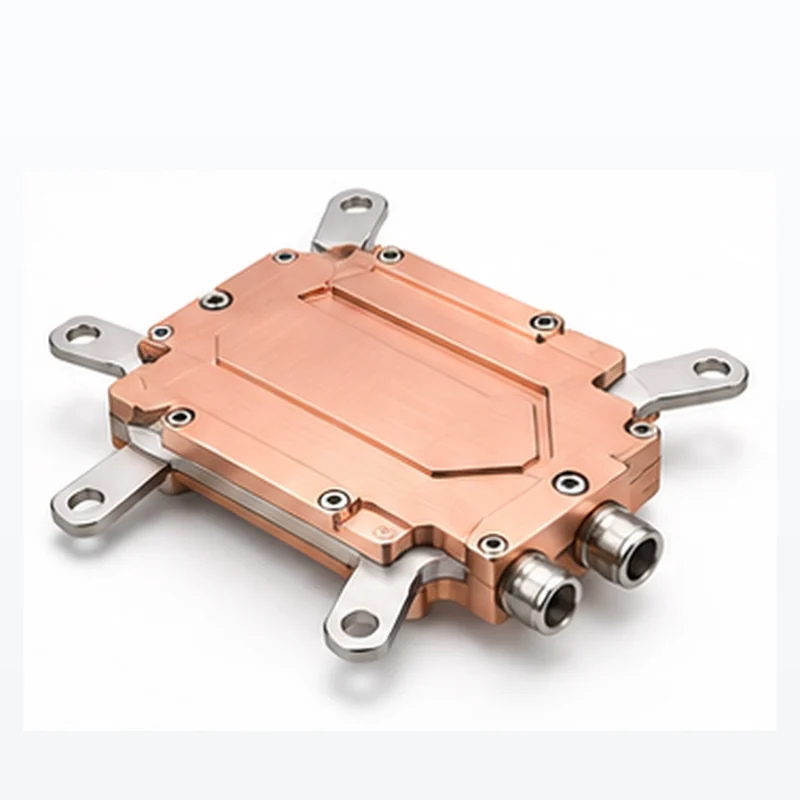
GW-LC-CPU-AMD-SP3
SP3
For EPYC 7001, 7002 and 7003 platforms. Confirm socket retention, processor power and hose clearance for the selected chassis.
View details Request a quote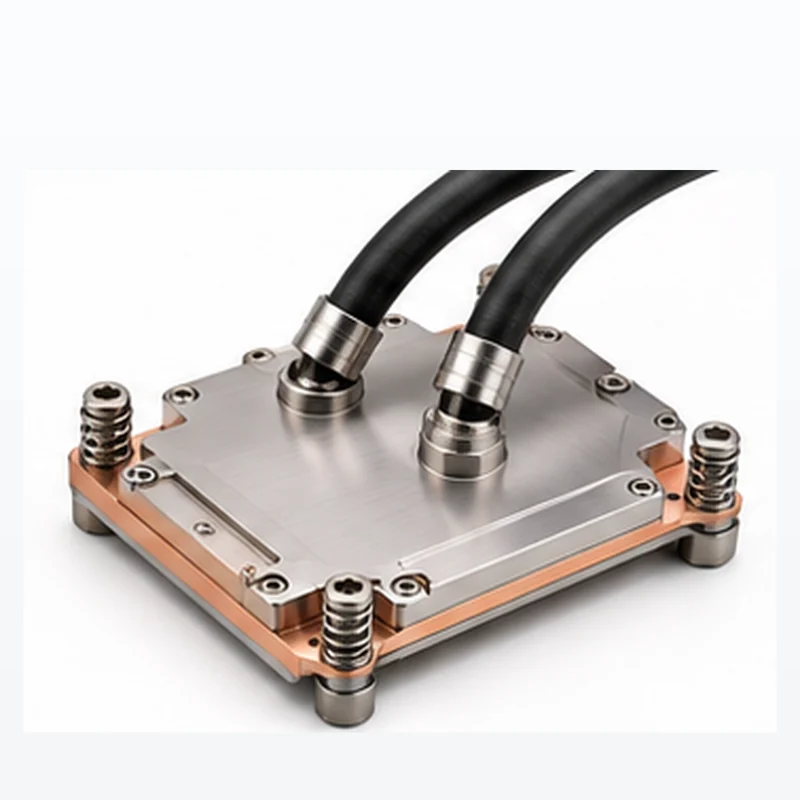
GW-LC-CPU-AMD-SP5
SP5
For EPYC 9004 and 9005 systems. Select the plate after confirming the processor power setting, mounting hardware and cooling loop.
View details Request a quote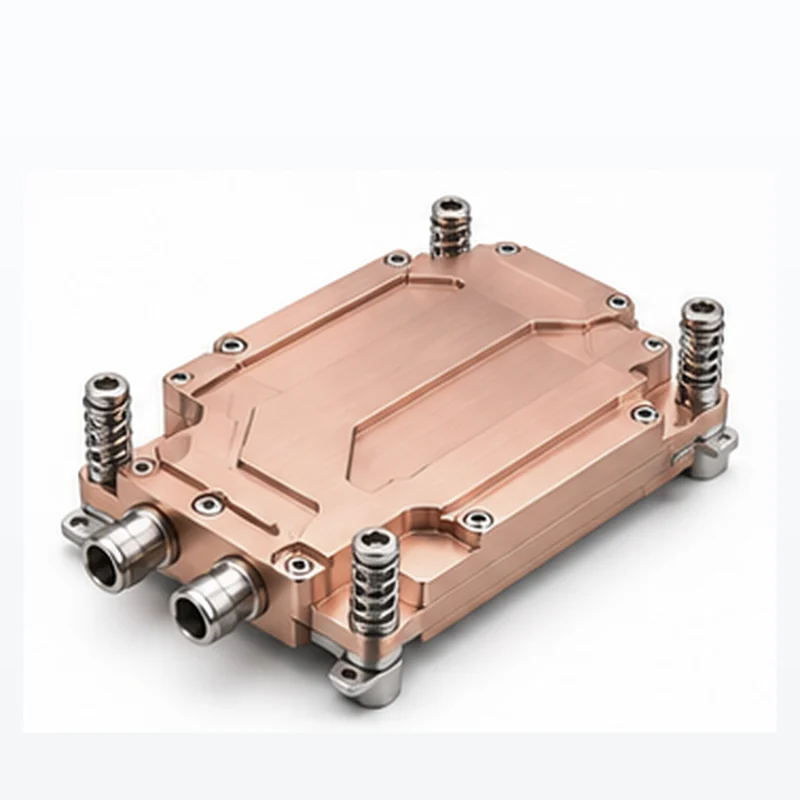
GW-LC-CPU-AMD-SP6
SP6
For single-socket EPYC 8004 and 8005 systems. Confirm mounting fit, chassis clearance and coolant routing before selecting an assembly.
View details Request a quote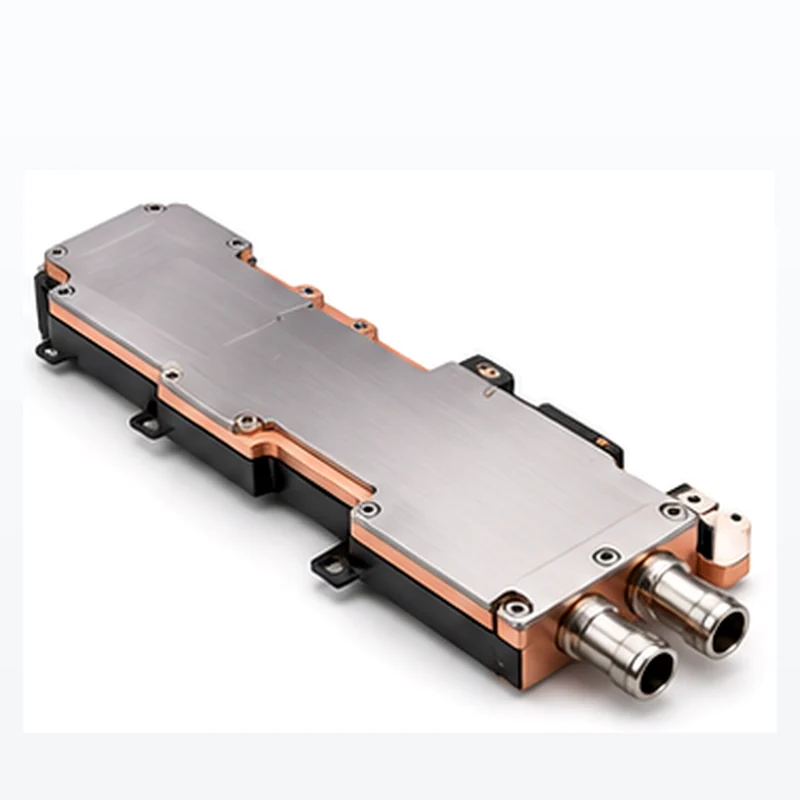
GW-LC-CPU-CUSTOM-500
Engineering review
Review sustained and peak processor power, contact geometry, coolant temperature, branch flow and chassis clearance before selecting a cold plate.
View details Request a quoteConfigure manifolds, hoses, quick disconnects, coolant distribution units and complete server or rack loops. CDU kW figures are planning classes. Sizing requires performance data for your site conditions.
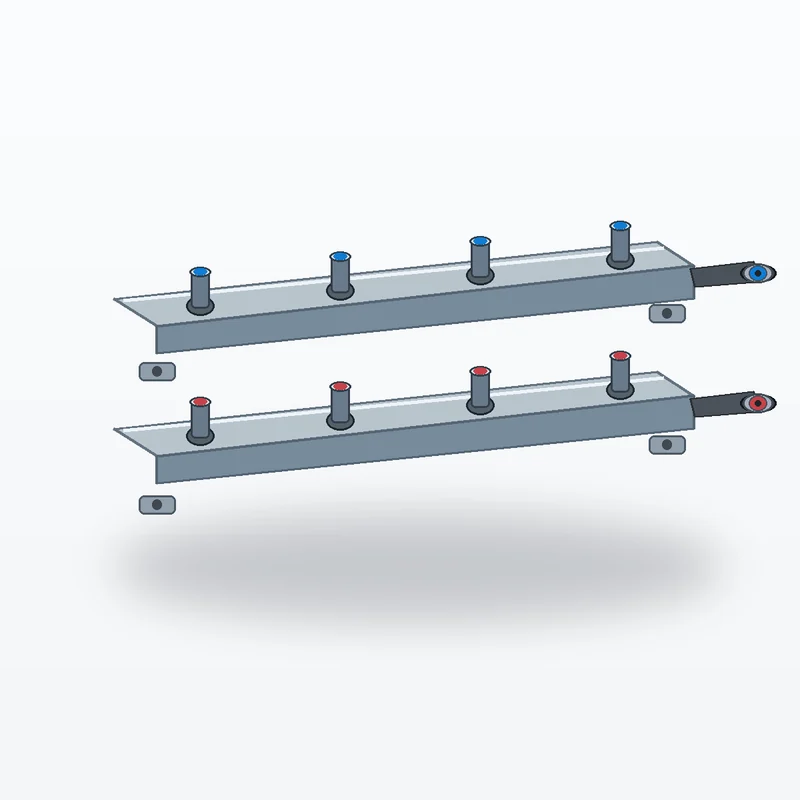
GW-LC-MAN-04GPU
Server distribution
Distribute supply and return coolant to four GPU branches and optional CPU plates. Confirm branch flow and port orientation.
View details Request a quote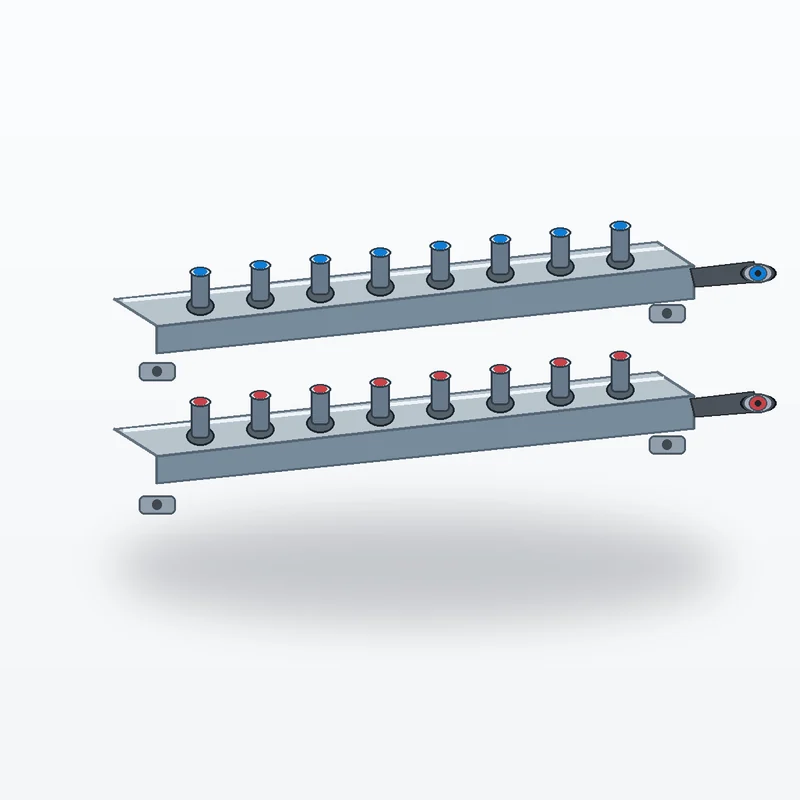
GW-LC-MAN-08GPU
Server distribution
Plan coolant distribution for an eight-GPU tray. Check chassis mounting, branch pressure drop, connector spacing and the rack interface.
View details Request a quote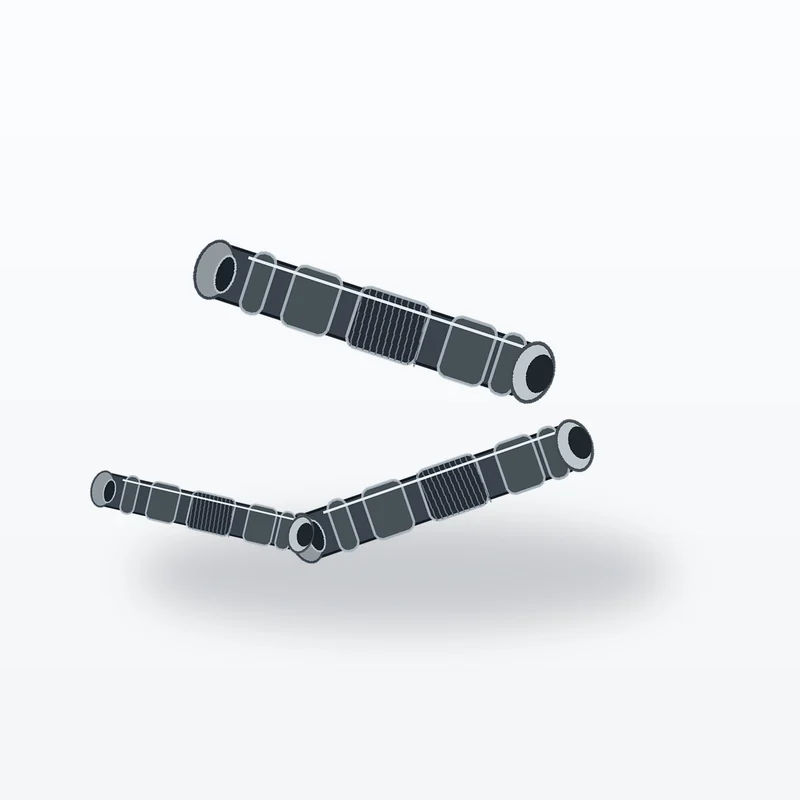
GW-LC-QD-SERVER
Coolant connections
Specify low-spill couplings for serviceable server and rack connections. Confirm mating series, seal compatibility, pressure limits and flow requirements.
View details Request a quote
GW-LC-HOSE-SERVER
Coolant connections
Match supply and return hoses to chassis routing. Confirm length, inner diameter, bend radius, coolant compatibility and end fittings.
View details Request a quote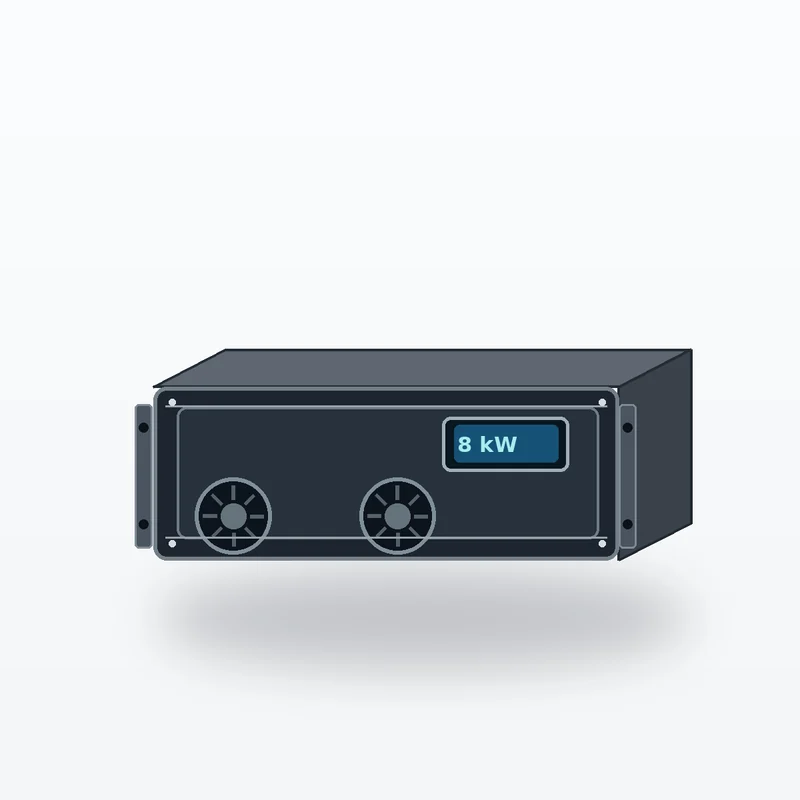
GW-LC-CDU-08A
8 kW planning class
For lab or single-server projects that reject heat to room air. Confirm ambient temperature, airflow and coolant conditions.
View details Request a quote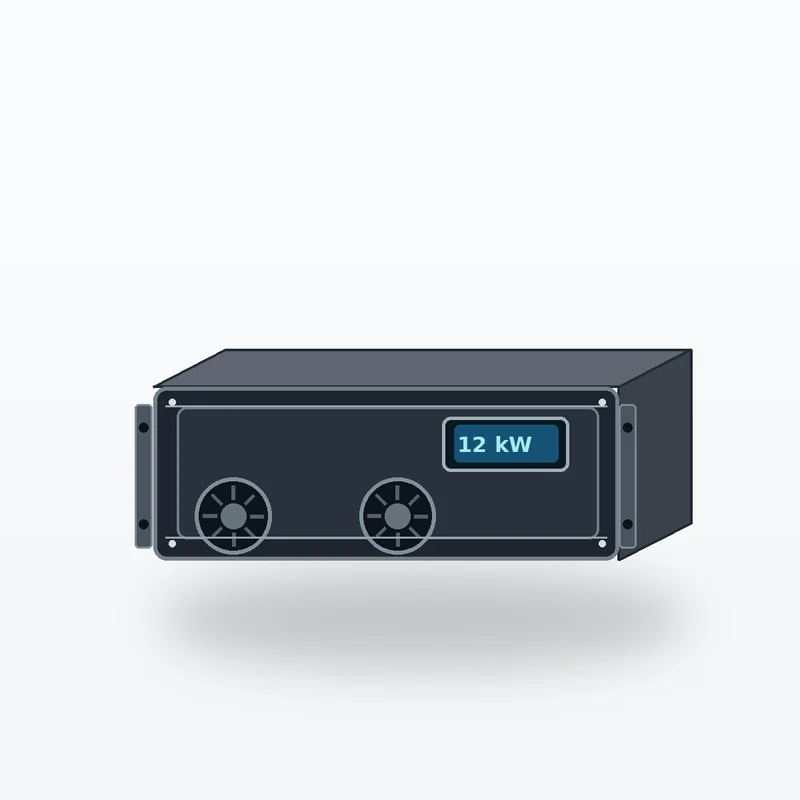
GW-LC-CDU-12A
12 kW planning class
Assess heat rejection for a four-GPU server using the actual liquid load, room air temperature and available rack space.
View details Request a quote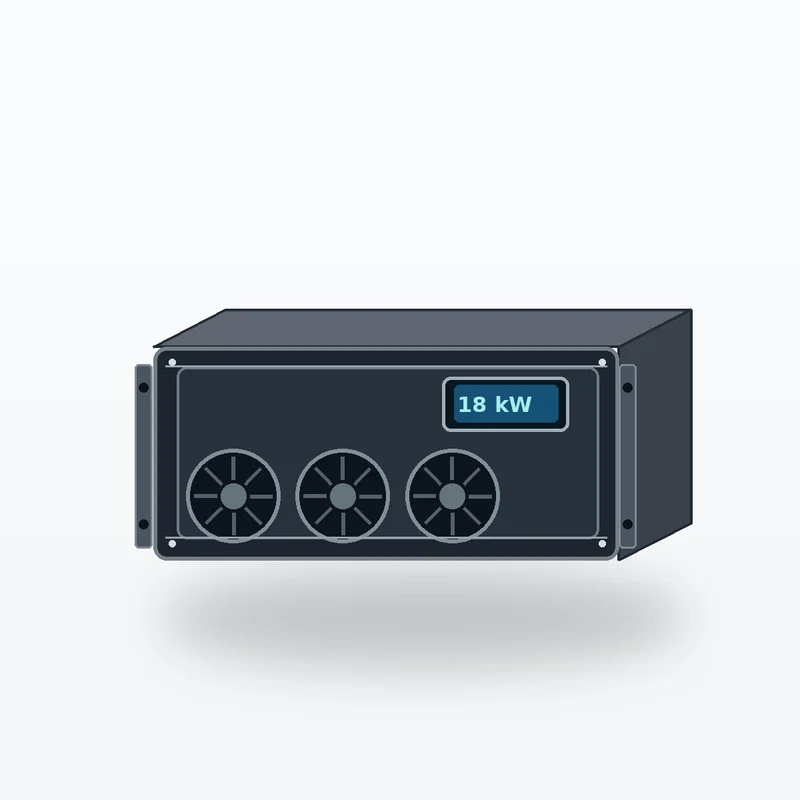
GW-LC-CDU-18A
18 kW planning class
Review higher-load server or lab projects. Confirm room cooling, coolant temperatures and pump performance at the intended duty point.
View details Request a quote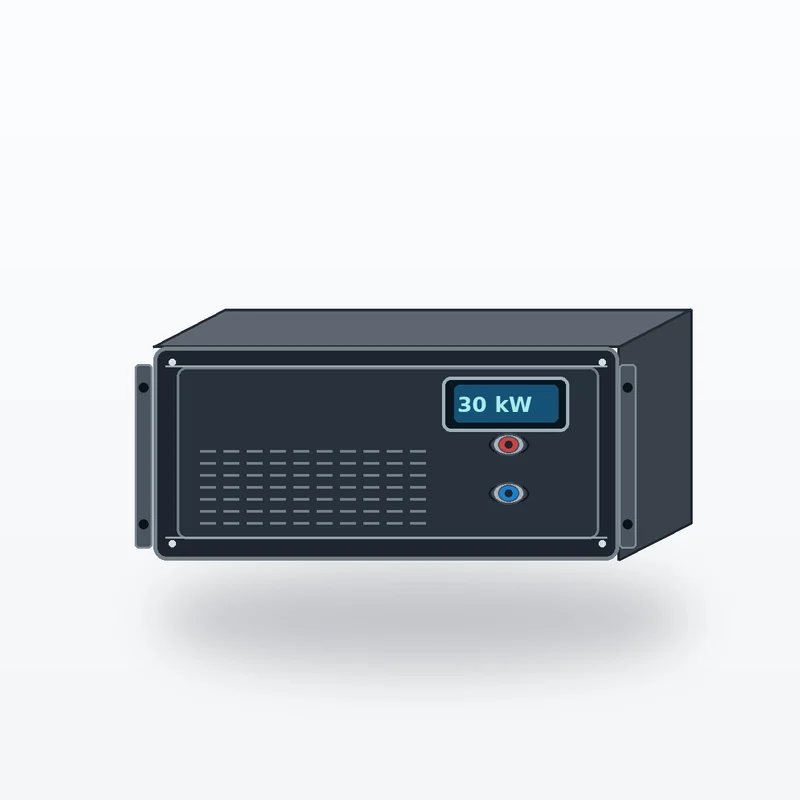
GW-LC-CDU-30L
30 kW planning class
Transfer heat from an equipment loop to facility water. Confirm primary and secondary temperatures, flow and allowable pressure drop.
View details Request a quote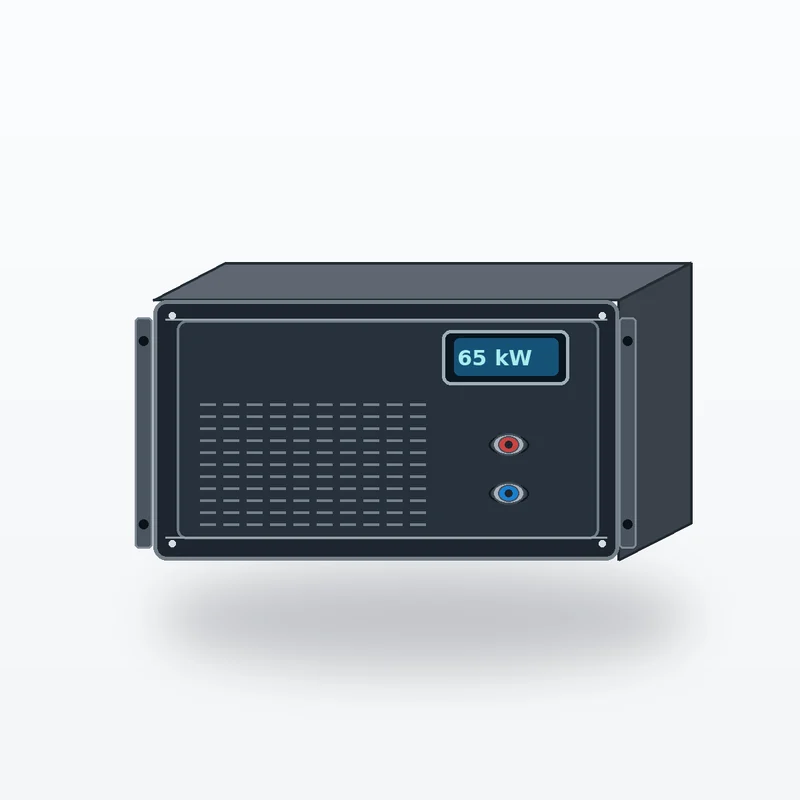
GW-LC-CDU-65L
65 kW planning class
Size for the combined liquid load from multiple servers. Review facility water conditions, rack manifold connections and pump head.
View details Request a quote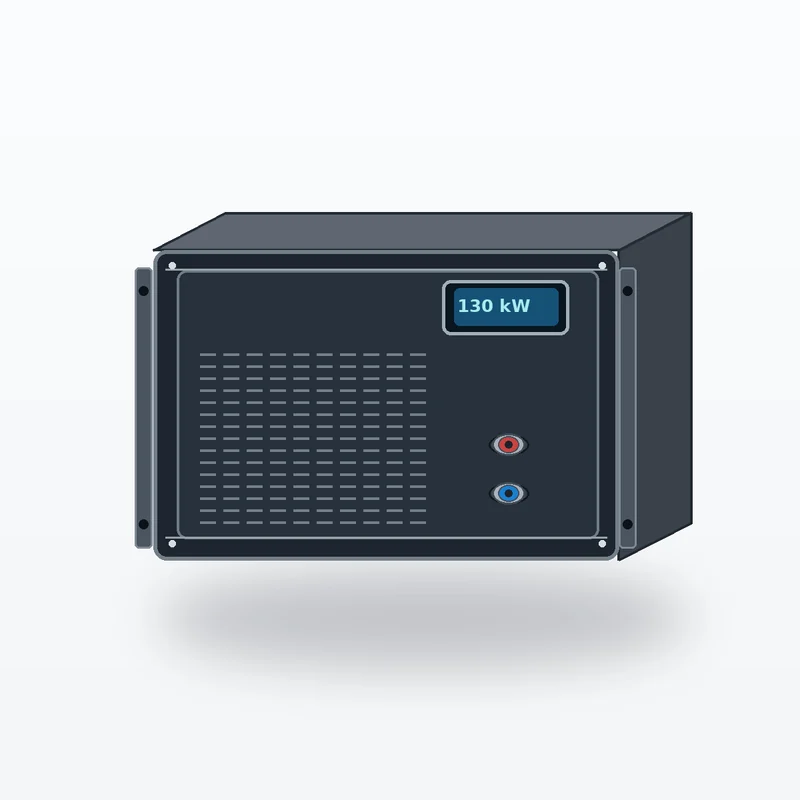
GW-LC-CDU-130L
130 kW planning class
Assess dense rack cooling against facility water capacity, coolant temperature, pump redundancy and the air load outside the loop.
View details Request a quote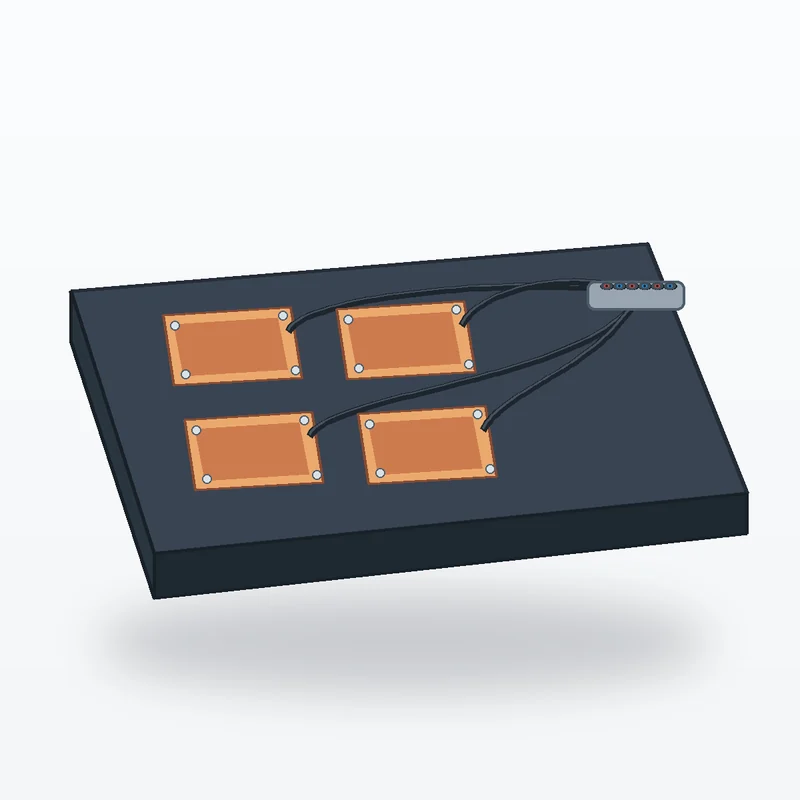
GW-LC-SRV-4GPU-D2C
Server package
Configure four GPU branches with optional CPU cooling. Select the plates, manifold, hoses and CDU for the confirmed chassis and load.
View details Request a quote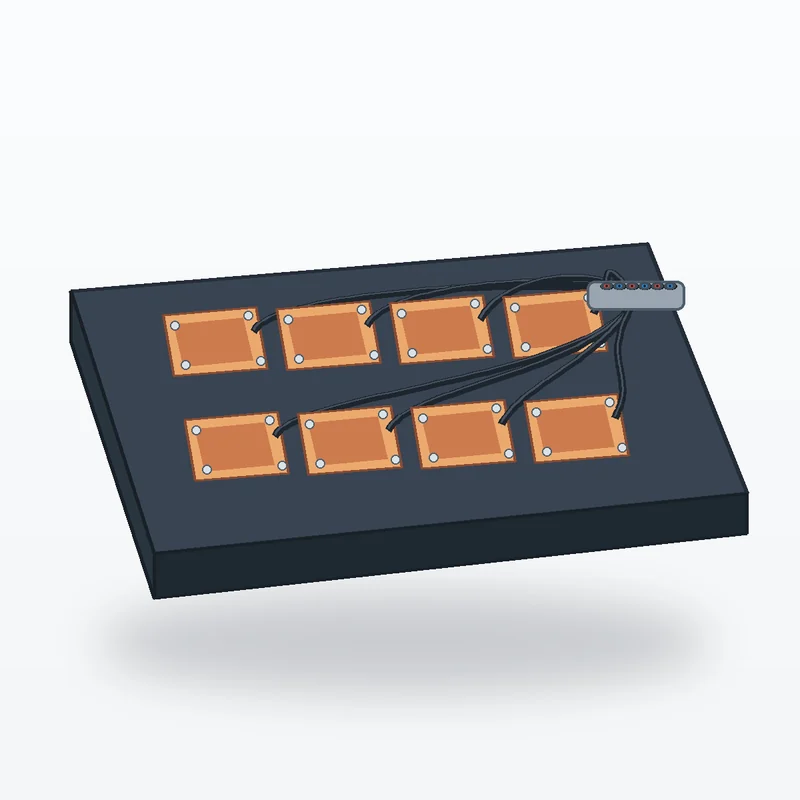
GW-LC-SRV-8GPU-D2C
Server package
Configure plates, coolant routing and monitoring for an eight-GPU system. Confirm baseboard revision, tray clearances and rack connections before quoting.
View details Request a quote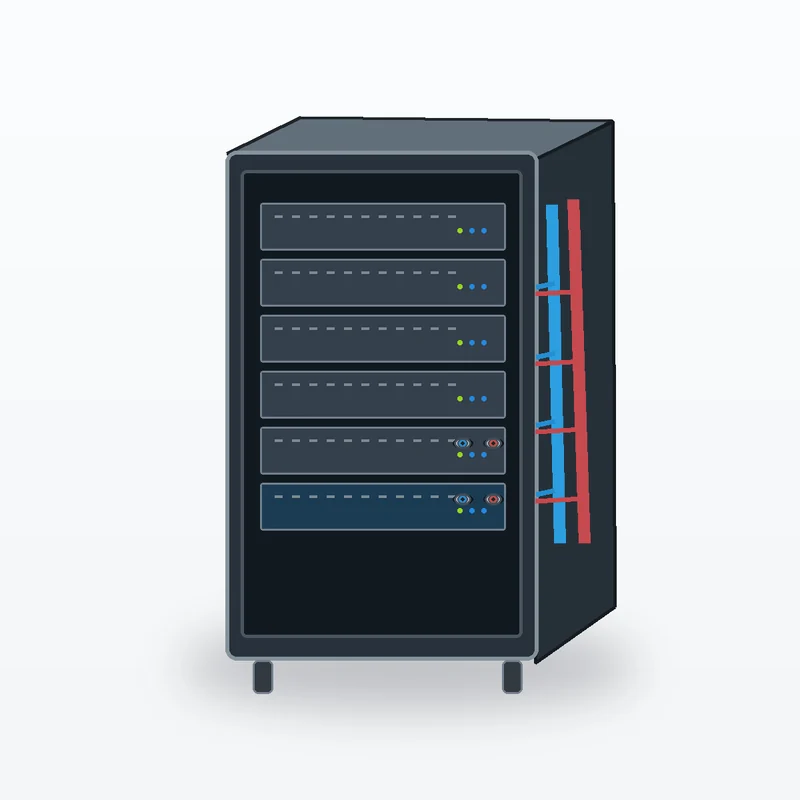
GW-LC-RACK-AI
Rack integration
Plan the CDU, rack manifold and server loops together. Define coolant monitoring, leak response and commissioning checks for the site.
View details Request a quoteCOMPATIBILITY & QUOTATIONS
Share what you know. GPU WORLD reviews fit, loop requirements, the remaining airflow load and the proposed deployment before preparing a quotation.
Our team will review server fit, heat rejection and the scope of supply.