GPU WORLD · GW-LC-GPU-H200-NVL
H200 NVL PCIe cooling retrofit
Retrofit assessmentAssess a liquid-cooling conversion for the exact H200 NVL card and host server. This engineering review begins with the card revision, supported chassis and written service conditions.
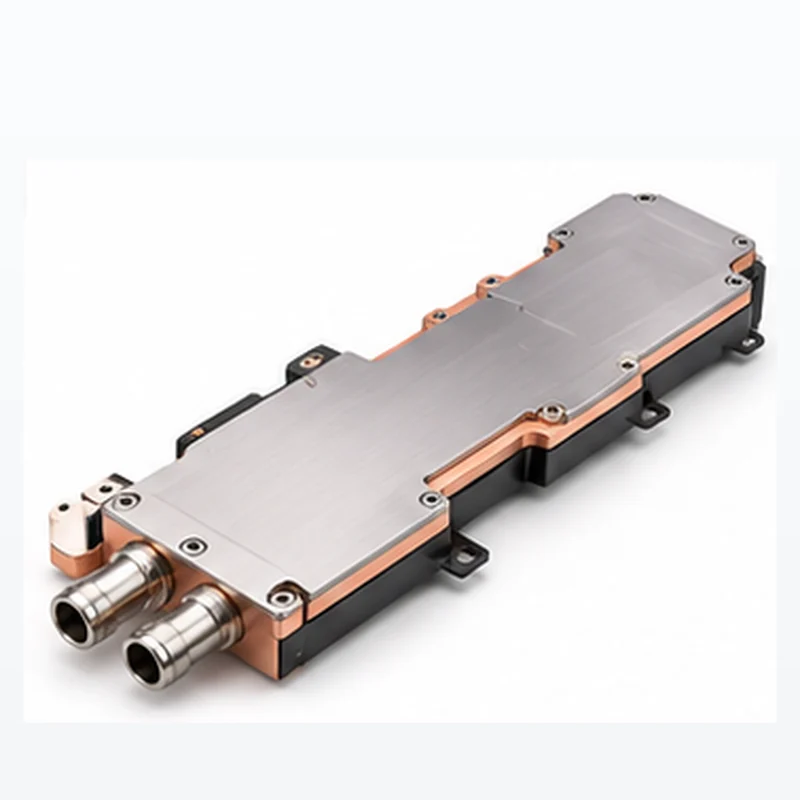
Fit and compatibility
- NVIDIA specifies H200 NVL as a dual-slot air-cooled PCIe card. Identify the board part number and revision, bracket, slot layout, power connection and intended NVLink bridge configuration.
- Obtain written approval for the proposed conversion and warranty position. Check bridge access, adjacent slot clearance and supported airflow for the installed card population.
Scope of supply
- Begin with a feasibility review and mechanical and thermal documentation for the exact card. The review determines whether a conversion assembly can be proposed.
- If approved, scope the plate, retention hardware, thermal interfaces for the GPU, memory and power delivery, and routed hoses and connectors.
Operating conditions
- NVIDIA lists configurable H200 NVL TDP up to 600 W. Use the selected card power limit and establish temperature limits for the GPU, memory and voltage regulators.
- Verify the pressure and flow envelope for the approved assembly and the clearance needed to mate connectors without loading the PCIe slot or NVLink bridge.
Acceptance checks
- Qualify one approved prototype in the intended chassis before assessing multi-card deployment. Check PCIe and NVLink operation and confirm all required slots remain accessible.
- Compare GPU, memory and power-delivery temperatures against agreed limits under the chosen workload. Record connector inspection, fan behavior and service access.
Technical references
Use these references to identify the platform and design requirements. GPU WORLD confirms the applicable assembly and operating conditions for each project.
CONFIGURATION & QUOTATIONSRequest a cooling quoteShare your server configuration and site conditions.Request a quote
Plan your cooling project
Our team will review server fit, heat rejection and the scope of supply.